
Areas of work
Four areas of work and one cross-cutting capacity.
None of them works alone. Projects usually combine a technical field capacity with a communication one, because the knowledge we generate is meant to be accessible and useful for the territory.
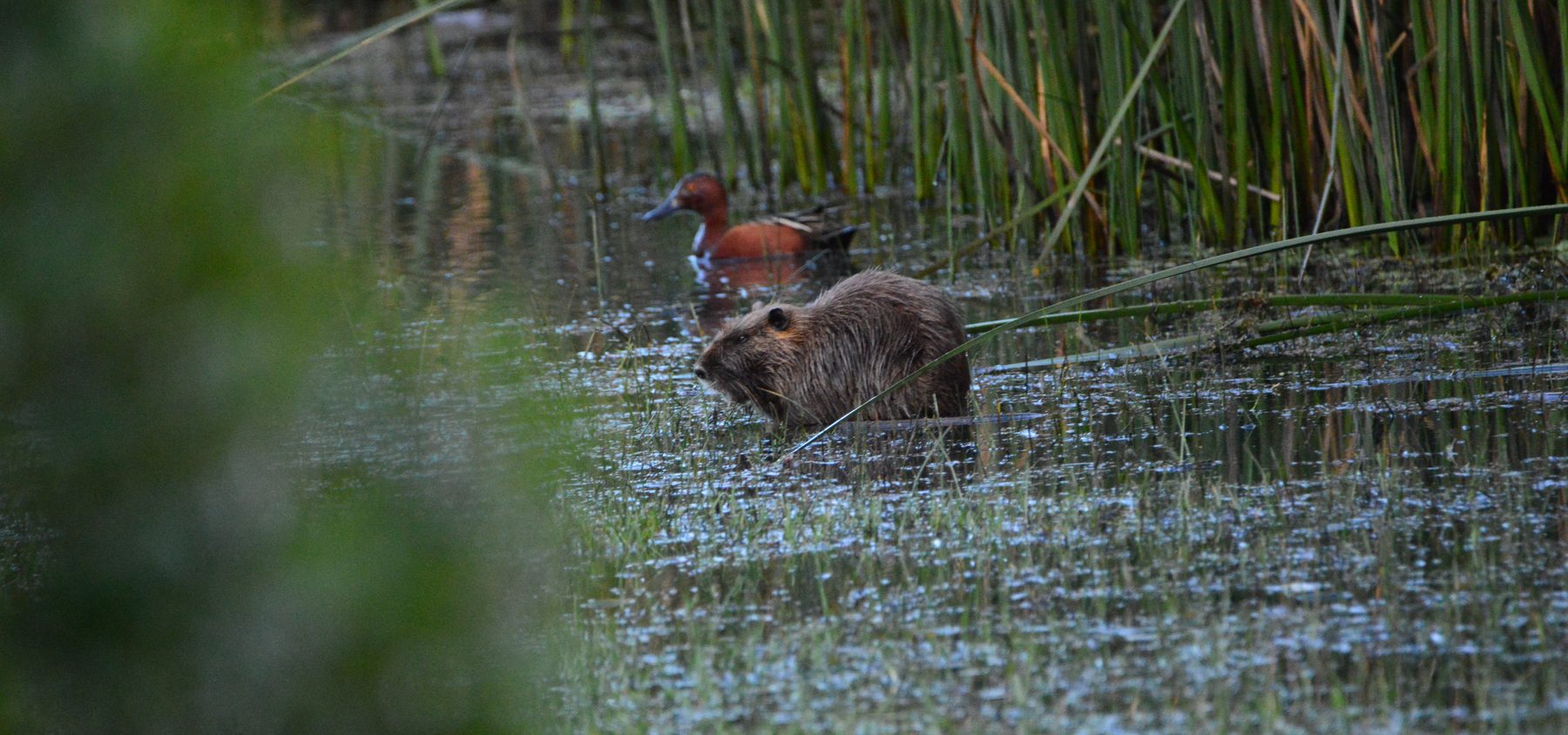
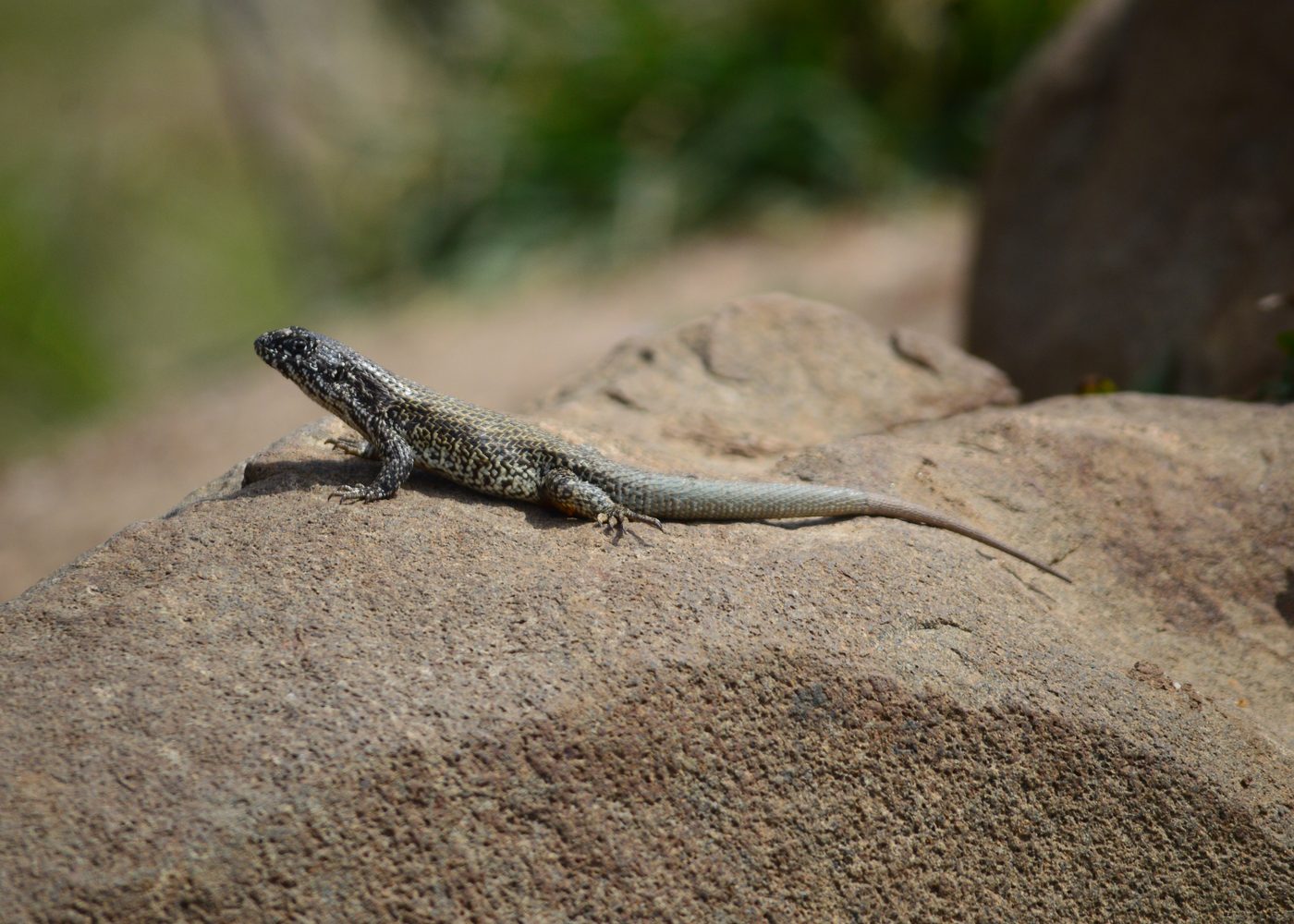 01Wildlife monitoring and research
Recording and monitoring wildlife, including small mammals, birds, reptiles, amphibians and arthropods. Includes camera traps, field sampling, taxonomic identification and collaboration with specialists and scientific collections.
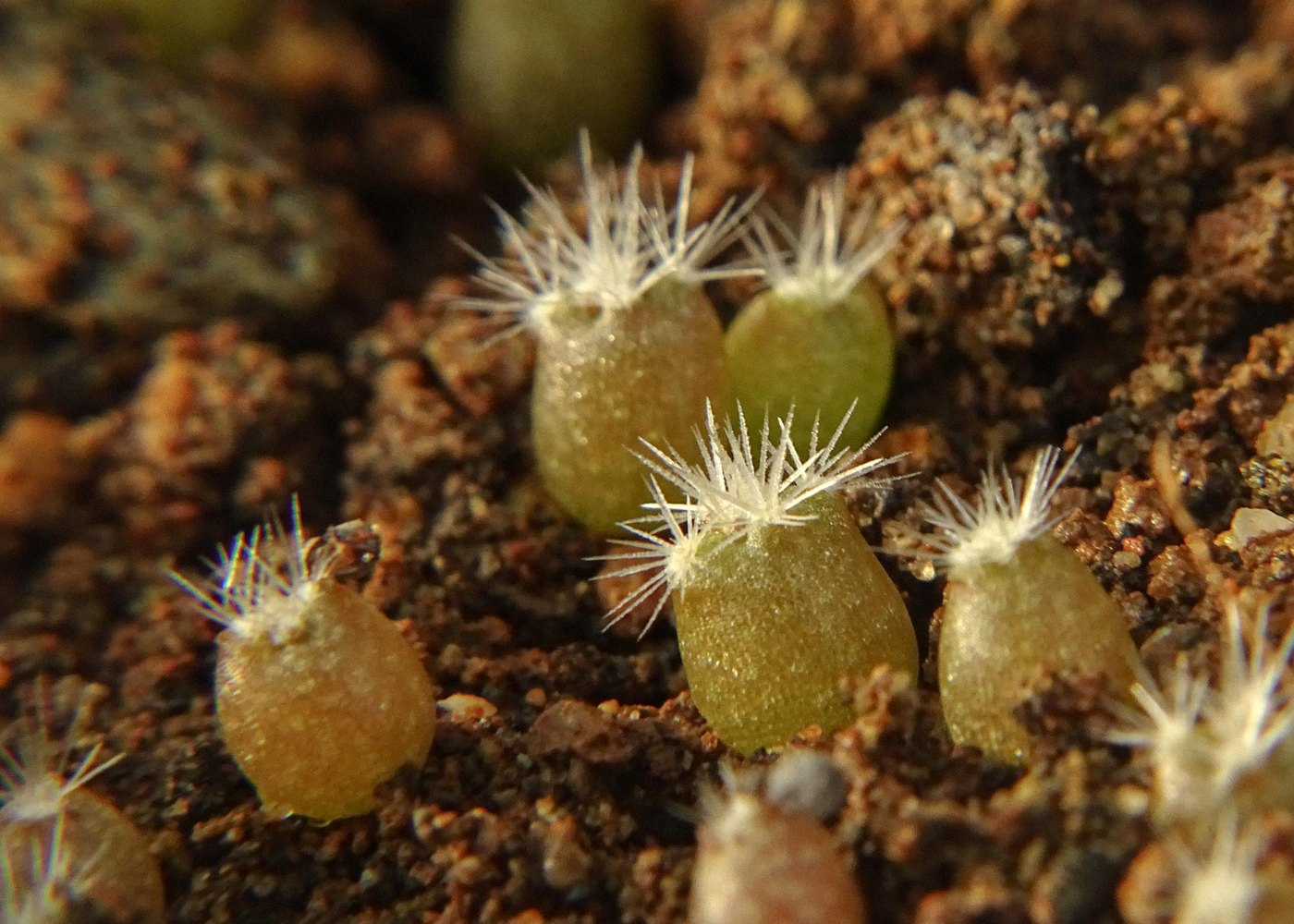 02Flora, restoration and propagation
Characterisation of native flora, vegetation surveys, herbaria, propagation of native species and ecological restoration design for degraded sites.
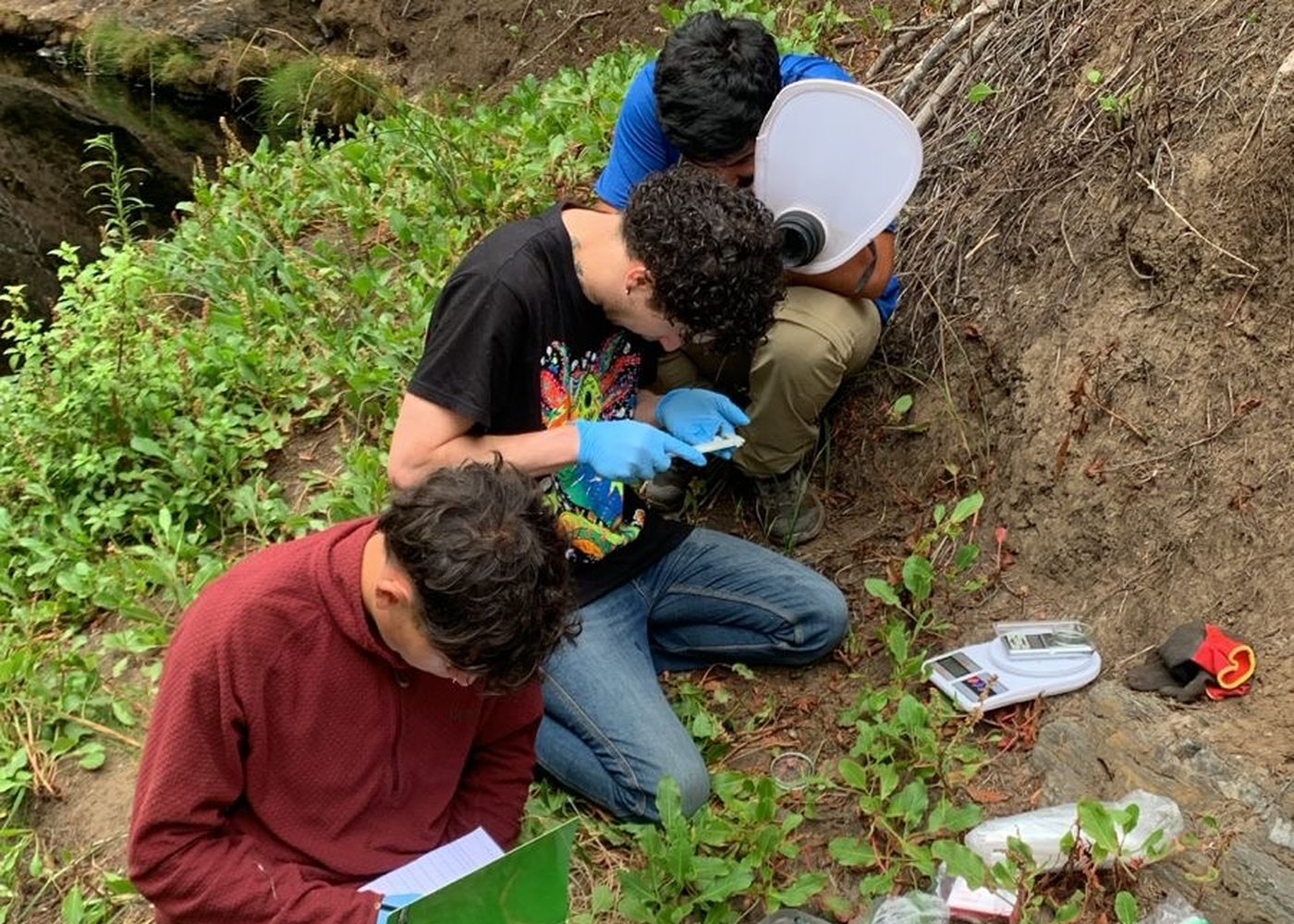 03Conservation and land management
Work on areas of ecological value in the territory: wetlands, priority sites and sites of interest. Includes monitoring and mitigation of threats, protection proposals, links with conservation units and promotion of land uses compatible with biodiversity.
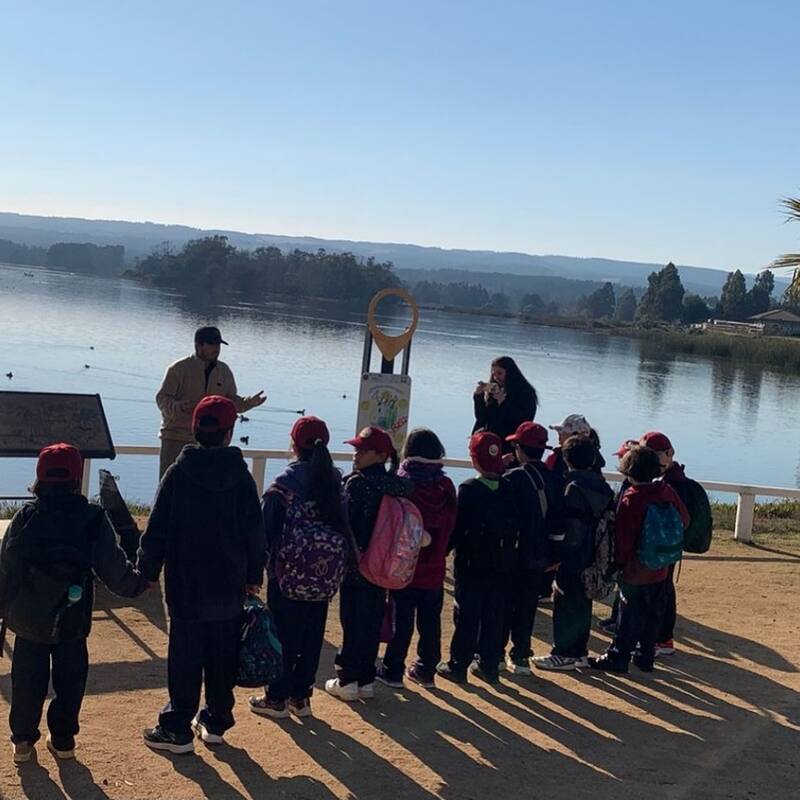 04Environmental education and ecotourism
Activities with schools at every level, community groups and local organisations. Species identification outings, teaching materials, citizen science and responsible ecotourism experiences based on interpreting the natural heritage.
Cross-cutting capacity
It supports the four areas above rather than working as a separate line of conservation.
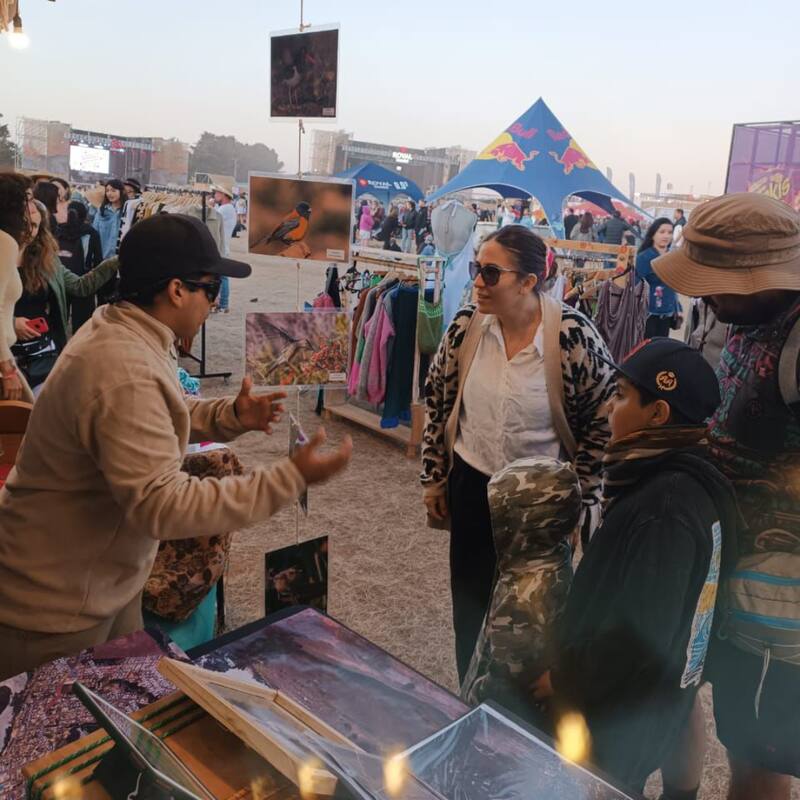 Communication, outreach and participation
Outreach on the biodiversity of the territory, species fact sheets, visual and audiovisual production, editorial identity, and links with communities, media and organisations. It is a cross-cutting capacity: it supports every other area.