About us
Understanding, valuing and conserving the biodiversity of the O'Higgins Region
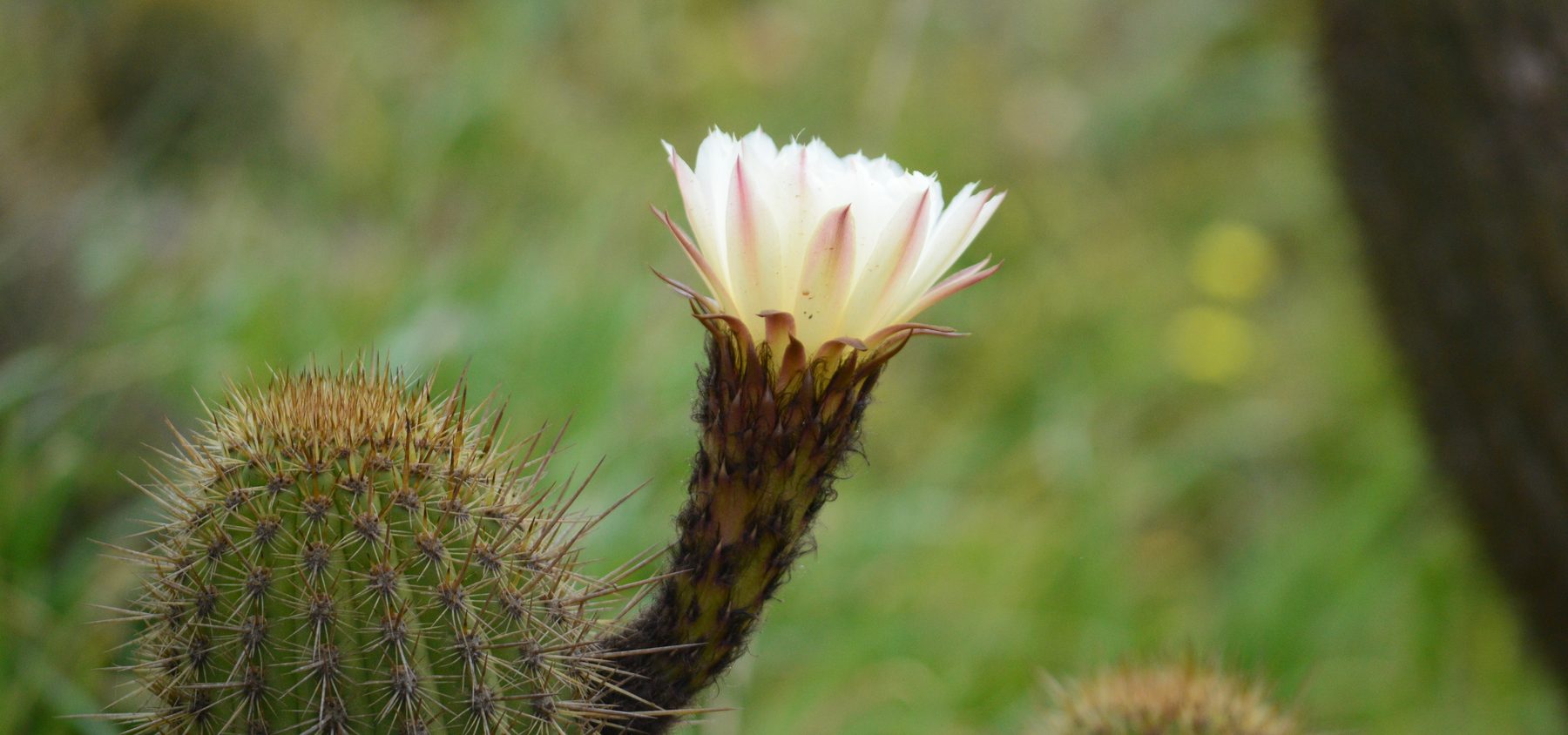
Fundación Pichilemu Wild is a non-profit organisation dedicated to conserving, understanding and restoring the biodiversity of Chile's O'Higgins Region, deeply rooted in its territory and focused on Pichilemu and its ecosystems.
Who we are
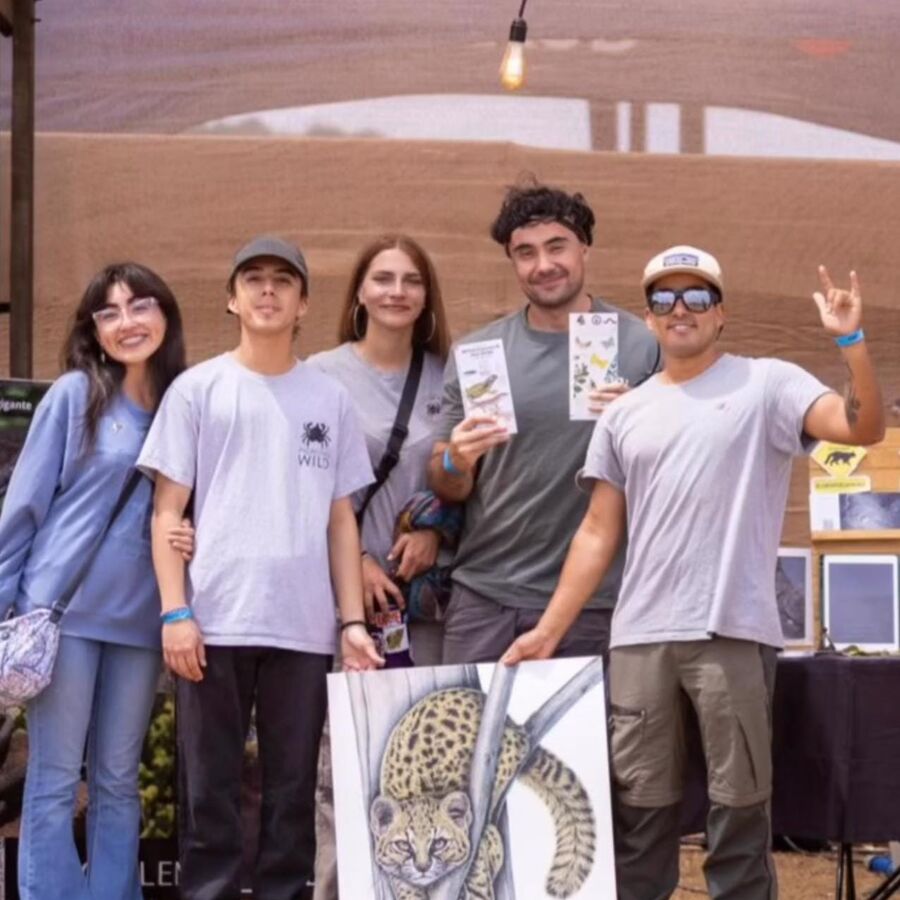
We are a non-profit organisation that brings together people with different backgrounds and skills to generate information, strengthen conservation and bring biodiversity closer to local communities.
We work on wetlands, coastal sclerophyll scrub and forest, the coastal edge, the intertidal zone and other native terrestrial ecosystems of the territory. We document what lives there, what condition it is in and what threatens it, and we translate that knowledge into public language that communities and institutions can use.
Our work follows a single thread: to understand the territory, bring that understanding to people, use it to conserve and restore, and show that the development of communities and their activities can be compatible with biodiversity.
Mission
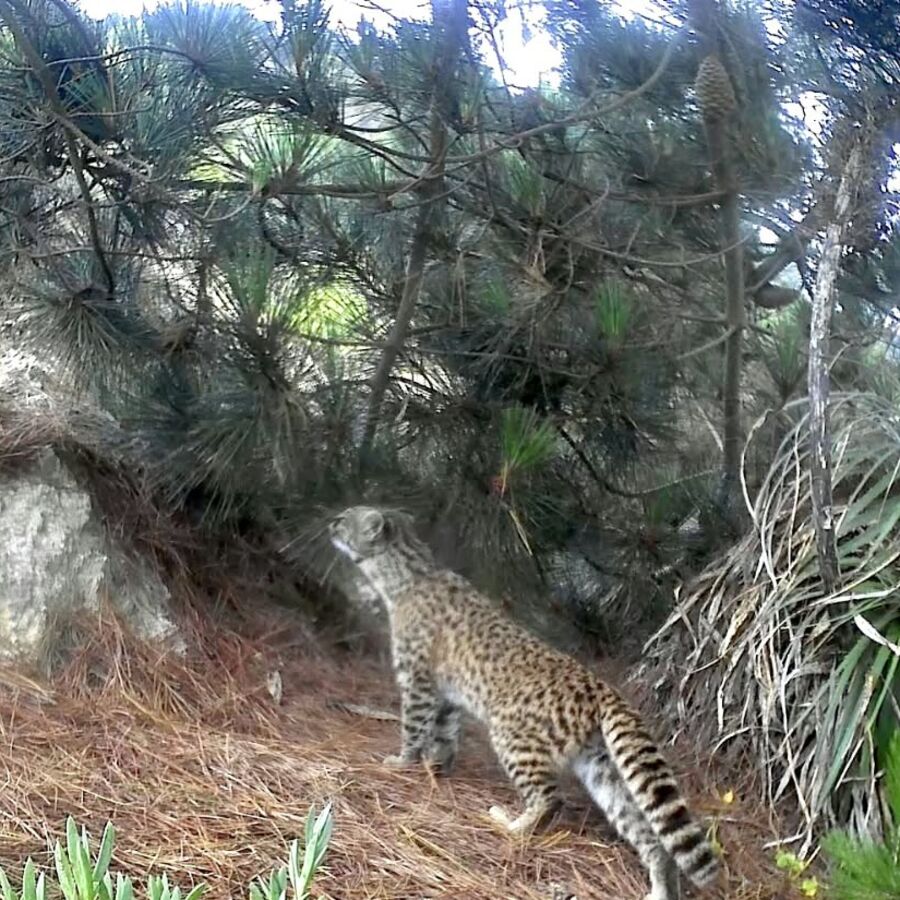
To contribute to the conservation and restoration of the biodiversity and ecosystems of the O'Higgins Region, with particular roots in Pichilemu, through research and monitoring, environmental education, citizen science, ecological restoration and community participation, promoting ways of living and developing that are compatible with nature.
Vision
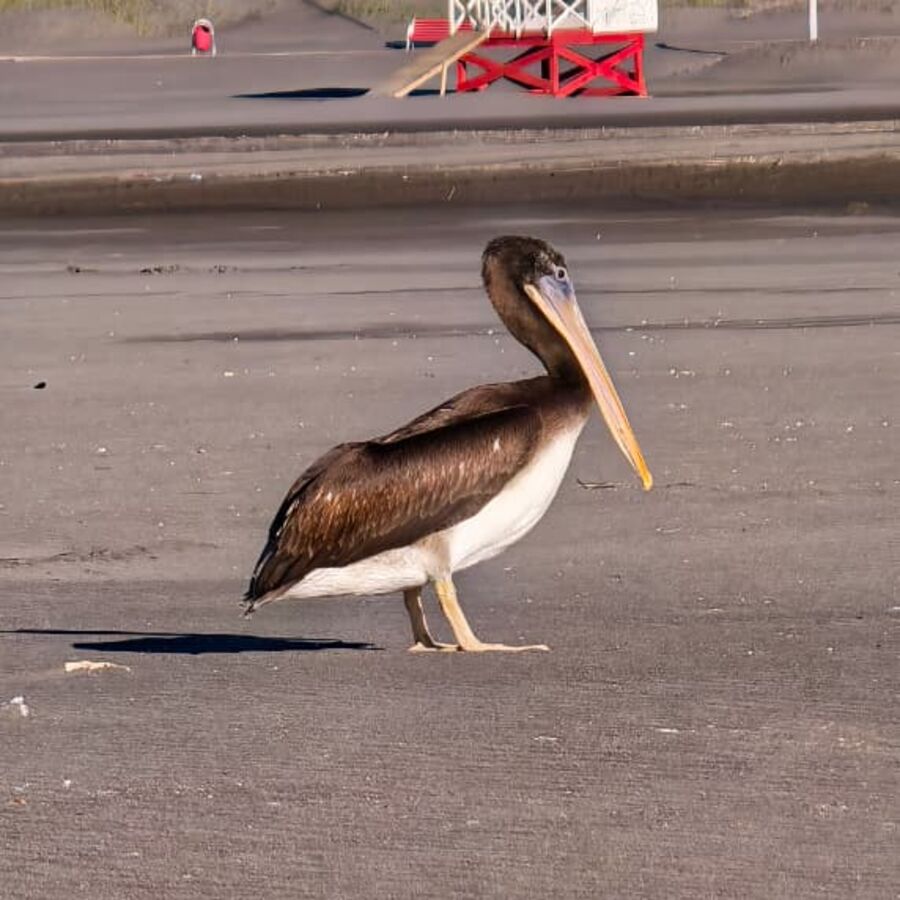
We work towards an O'Higgins Region where communities, institutions and productive activities know, value and protect their natural heritage, and where decisions about the territory integrate evidence, local participation and sustainability criteria, making coexistence possible between people's wellbeing and the conservation of biodiversity.
Values
Rigour
We aim to back our work with evidence, appropriate methodologies, verifiable records and, where relevant, collaboration with specialists and scientific institutions.
Territory first
We work where we live. Local knowledge is not a secondary input to technical work; it is part of it.
Openness
We want our methods, results and lessons to be accessible, while protecting the location of sensitive species, breeding sites, personal information and any other data whose disclosure could put biodiversity or people at risk.
Independence
We maintain technical independence in our decisions and promote the transparent identification and management of potential conflicts of interest.
Continuous learning
The team is young and growing. Every project is also a chance for someone to learn something they did not know how to do before.

How we work
Our projects generally follow a process that connects identifying a need, generating information, analysing it and communicating or applying the results. We want the knowledge we generate to be accessible and useful, while always protecting sensitive information.
Identification
We define the site or species of interest and set out why it deserves attention.
Baseline
We collect field data using a defined protocol that another team could replicate. Sampling, surveys and camera traps, with every record tied to a site and a date.
Analysis
We systematise the data and work with collections or institutions where appropriate.
Public translation
The result goes out as a publication, an educational activity or an input for a land management decision.
We contribute field experience, knowledge of the local context and monitoring capacity, and we collaborate with universities, specialists, public agencies and other organisations when projects call for complementary skills.
Team
Board
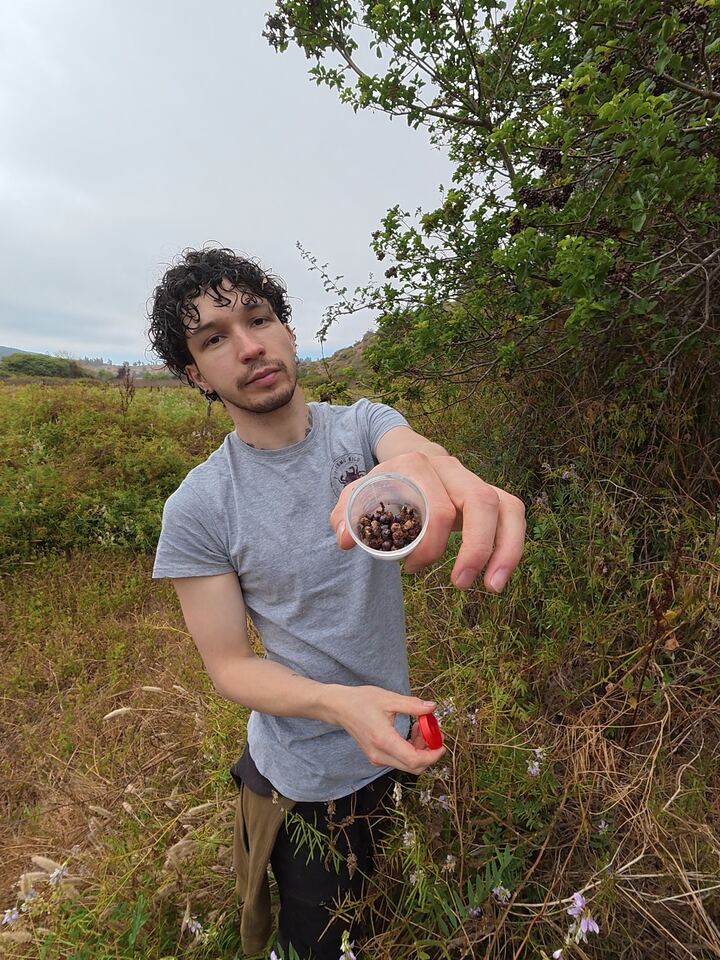
Alejandro Mercado Lagos
Wildlife coordination and finance
Médico veterinario.
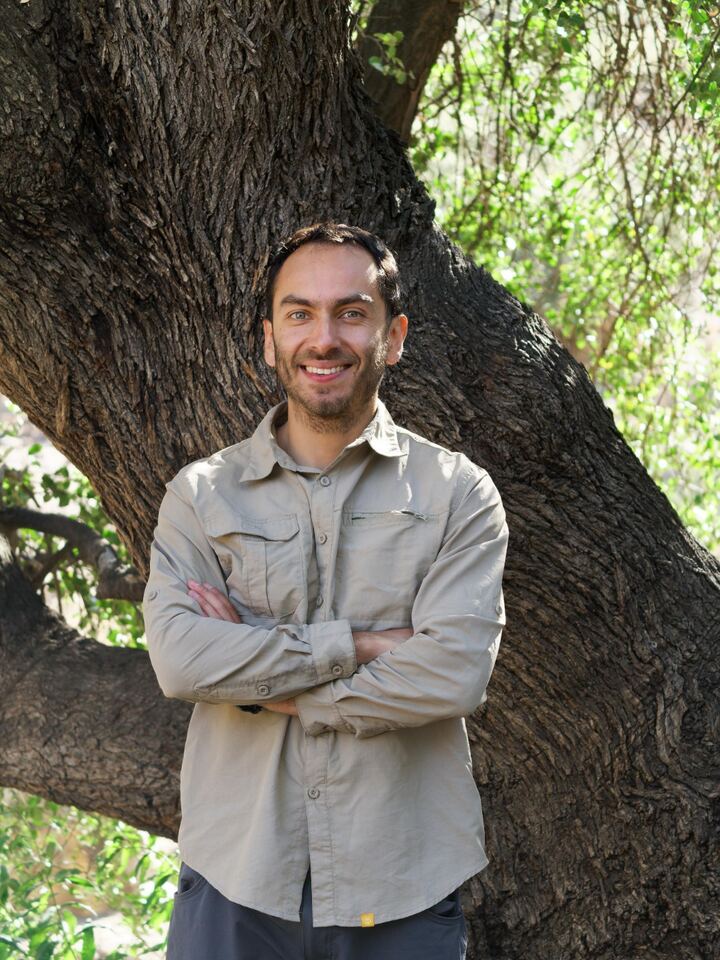
Luis Cervela Pavez
Land conservation advisor
Técnico en manejo de áreas silvestres protegidas.
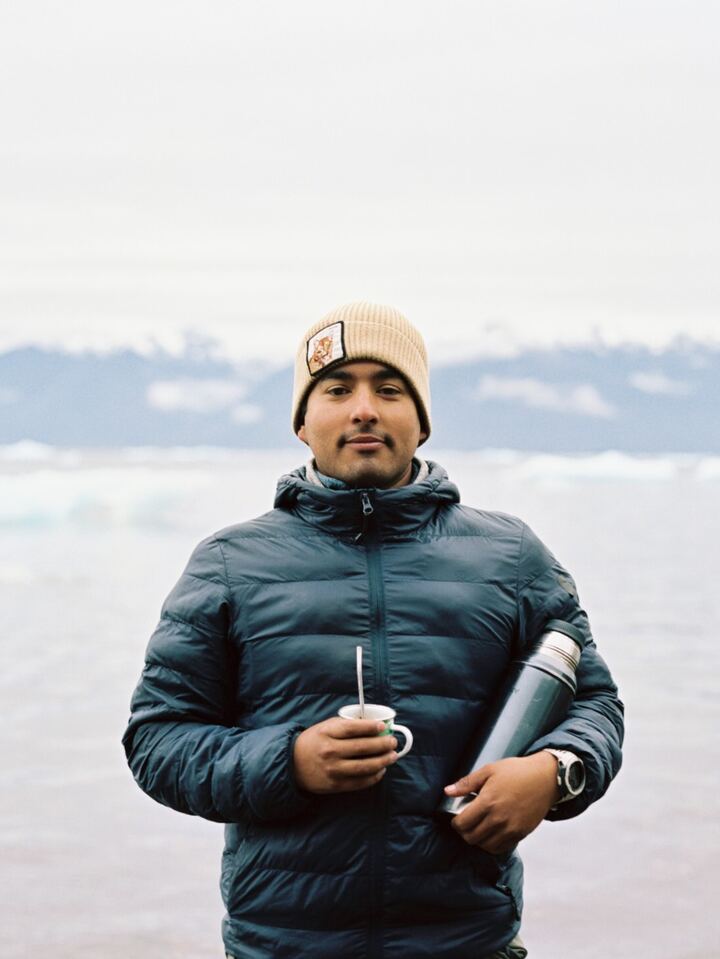
Duban Espinoza Padilla
General coordination
Administrador de proyectos de ecoturismo.
Team
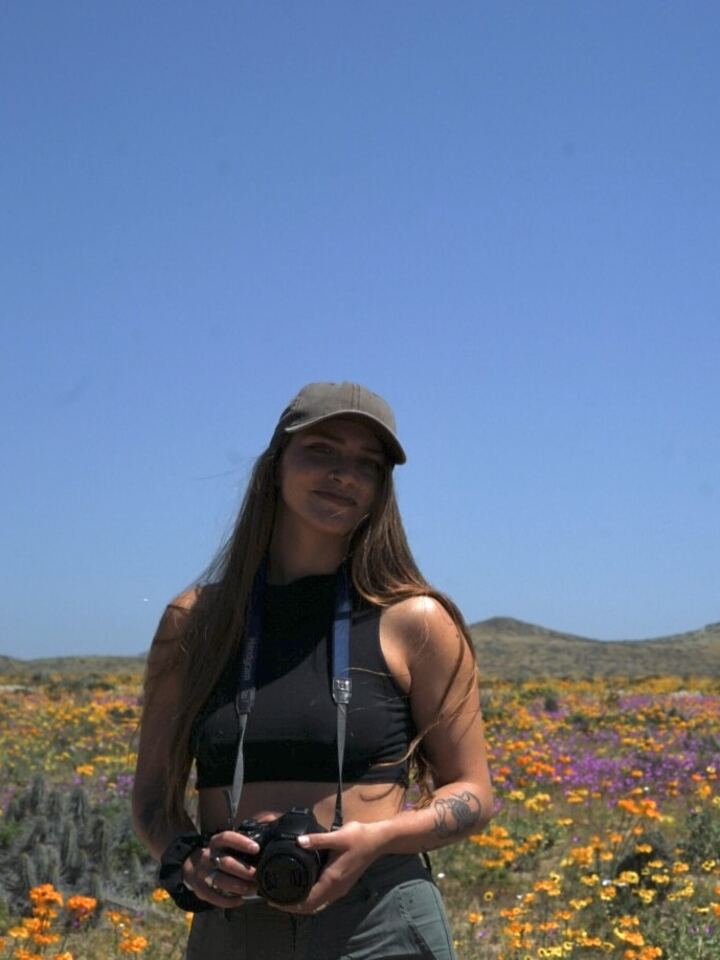
Mariana León Wilson
Flora, nursery and restoration coordination
Técnica en paisajismo sustentable.
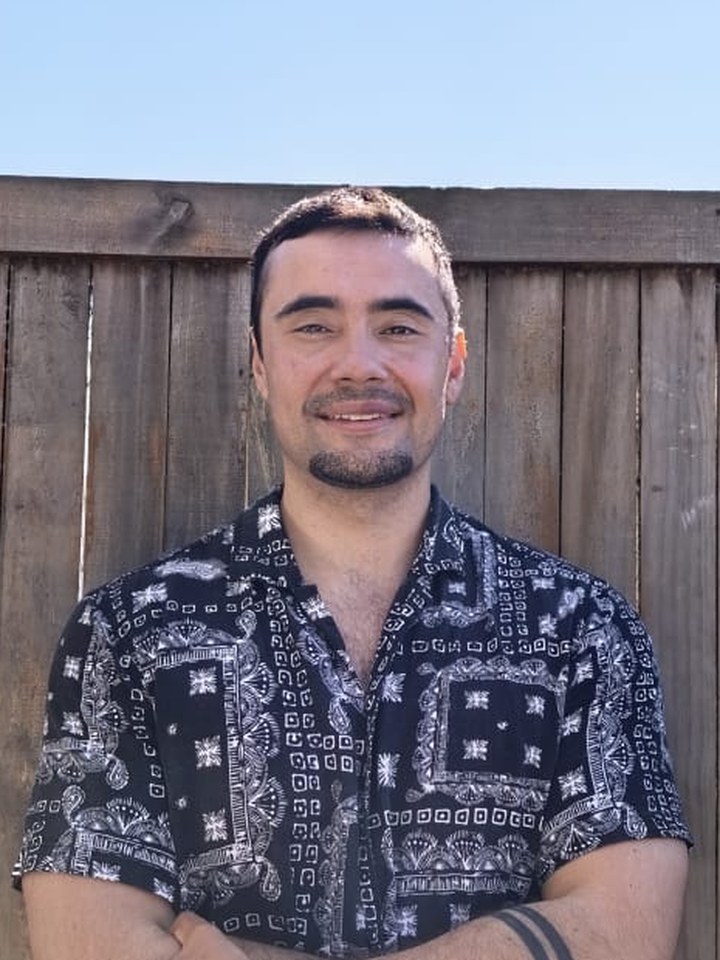
Winston Colvin Aravena
Digital development and communications
Ingeniero comercial, con experiencia en marketing digital y analítica web.
Support and advisors
Stephannie Escobar
Taxonomy, herbaria and education
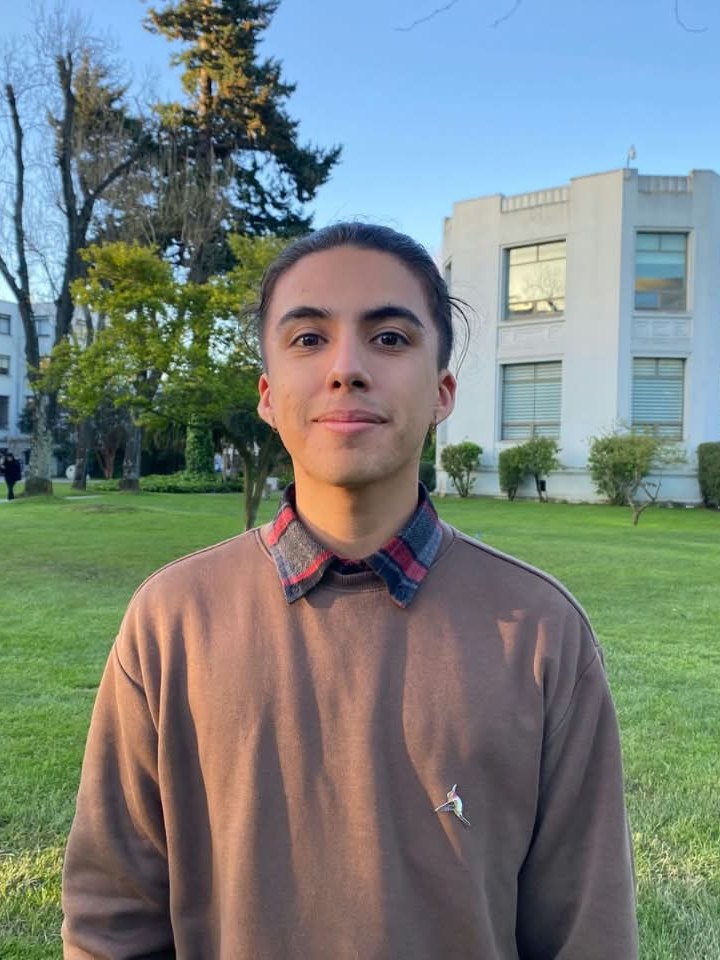
Lucas Pino
Research and taxonomy
Estudiante de biología.
Transparency
How we are funded and how we decide.
We are building this section step by step: legal status, current board, activity report, main sources of funding and our criteria for the use and publication of data. A foundation that asks for trust has to show how it works on the inside.
Let's work together
If your institution works in conservation, let's talk.
We collaborate with universities, public agencies and organisations that need a presence on the ground and local knowledge of the territory.