
Territory · Conservation
Cardenal Caro's ravines under pressure: what illegal cannabis growing destroys in our territory
In the 2025-2026 season alone, more than 70,000 illegal plants were seized in Chile's O'Higgins Region. What they left behind was not just empty clearings.
Fundación Pichilemu Wild ·
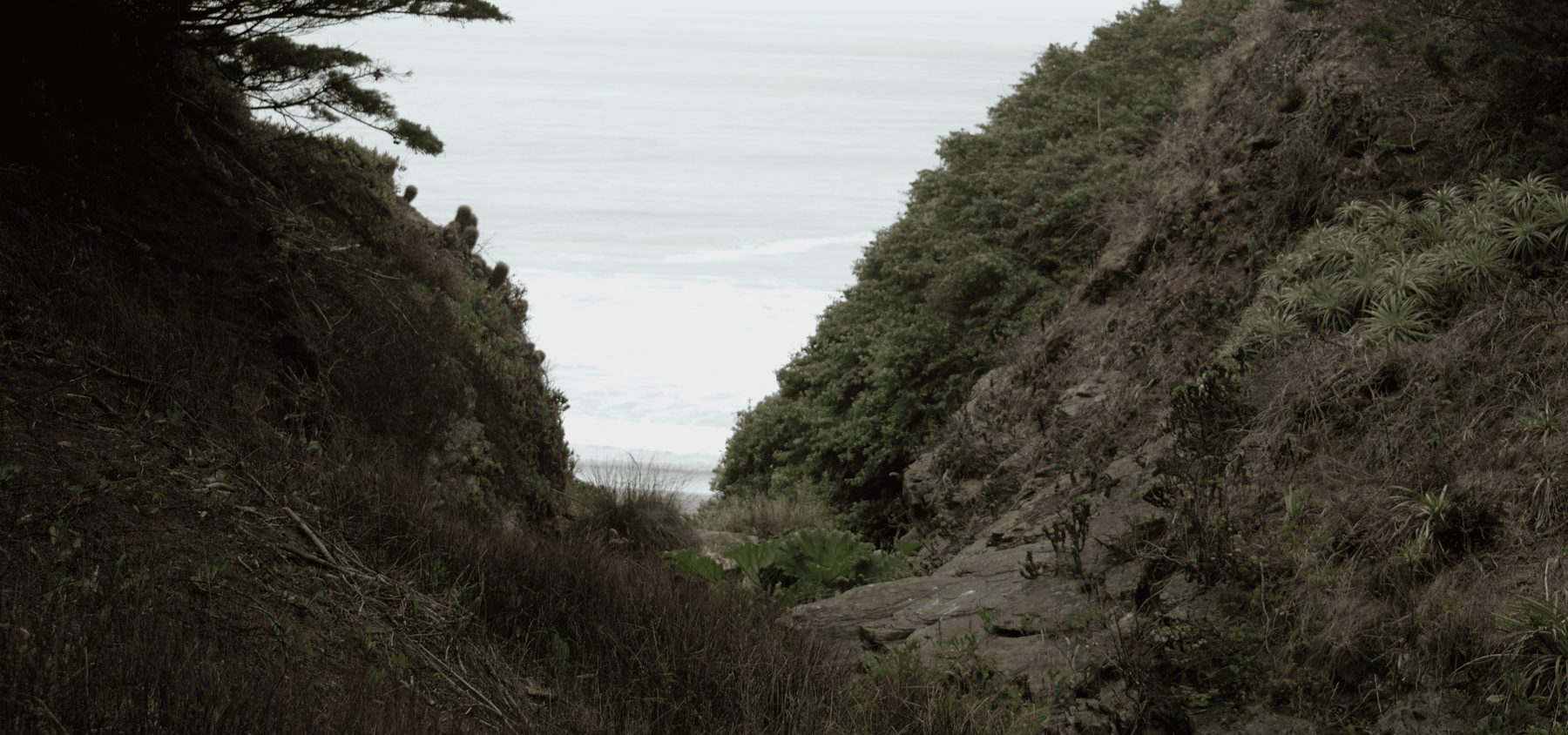
The ravines of Cardenal Caro province are not wasteland. They are biological corridors, groundwater recharge zones and refuges for biodiversity. When a criminal organisation sets up a plantation in one of them, the damage happens quietly, far from the eyes of whoever smokes the result.
The numbers
- 21,698
- plants seized
- 7,406
- plants destroyed
- 4,927
- plants at the Nilahue stream
- 1,189
- plants across 5 clearings
- 252
- plants and one arrest with a firearm
- 417
- plants in the Cutemu ravines
Pichilemu · Feb 2026
Pichilemu-Paredones · Jan 2025
El Túnel, Pichilemu · Feb 2025
El Calvario, Paredones · Feb 2026
Lolol, Cardenal Caro · Jan 2026
Paredones · Mar 2026
What an illegal plantation does to a ravine
Police reports from the 2025-2026 Plan Cannabis describe the same thing in operation after operation: plantations set up in hard-to-reach ravines, with irrigation systems and permanent camps. This is no accident. These areas are chosen precisely because nobody watches them, and because they have something cannabis needs in large quantities: water.
Water taken during a prolonged drought. A single plant can use between 10 and 20 litres a day during the growing season. Multiplied by thousands of plants, that means tens of thousands of litres a day taken illegally from streams, springs and groundwater. In the operations at Tanumé, Rodeillo, Quincheumu and Las Barrancas, the El Maqui, El Espinillo, Paso del Durazno and Los Jotes ravines were used as water sources for crops that have nothing to do with the communities depending on those watercourses.
Wildlife displaced at its most critical time. The growing season coincides with the breeding season of native wildlife. Continuous disturbance — noise, artificial light, trails, dogs — displaces mammals such as the culpeo fox, the lesser grison, the skunk, the güiña and the puma, which use these ravines as corridors and refuges. Birds are no exception: the magellanic horned owl, the kestrel, the chimango caracara and the harris’s hawk depend on the quiet of these areas to breed. What officers find when they arrive, after hours on foot, is an ecosystem that has already been disturbed for months.
In the Rodeillo and Tanumé operations, officers walked kilometres to reach crops set up in ravines such as El Maqui, El Espinillo and Los Jotes. Those ravines were not empty before drug trafficking arrived.
Do you know where what you smoke comes from?
Police operations matter. But as long as there is demand there will be supply, and every season organised crime looks for new ravines, more remote and harder to detect. There is a question that is rarely asked in public debate: where does the cannabis circulating in the region come from?
If the cannabis you use was grown in a Cardenal Caro ravine, your purchase funded the destruction of a native ecosystem, the contamination of a water source and the displacement of wildlife. This is not about moralising. It is about applying to cannabis the same logic more and more people apply to what they eat or wear: origin matters.
What you can do
Ask where it comes from. If you cannot trace the origin of what you consume, it likely comes from illegal plantations in wild areas. The trafficking chain does not distinguish between the street dealer and the ravine destroyed fifty kilometres away.
Take part in the debate on regulation. Evidence from various jurisdictions shows that regulation with traceability and enforcement reduces illegal growing in natural areas. Until Chile moves towards an effective regulatory framework, the ravines of Cardenal Caro will keep paying the price.
Report it. Carabineros has anonymous reporting channels and has repeatedly called on the community to report signs of plantations in rural areas. A single report can be what allows officers to reach a ravine before the damage is irreversible.
Next time you light up, ask yourself which ravine in this region was destroyed so that smoke could reach your lungs.
This article aims to contribute to an informed debate about cannabis and the environment in Chile's O'Higgins Region. It neither promotes nor condemns cannabis use: it argues that such use, where it exists, should be aware of its environmental and social impact.
Sources
- OS-7 Cachapoal operation, 21,698 plants, Las Barrancas and Quincheumu, Pichilemu — El Rancagüino, 5 February 2026.
- Carabineros operation, 1,189 plants, El Calvario, Paredones — El Rancagüino / Música y Noticias, 27 February 2026.
- OS-7 Cachapoal and GOPE operation, 7,406 plants, Tanumé-Rodeillo (El Maqui, El Espinillo and Paso del Durazno ravines) — El Tipógrafo, 17 January 2025.
- OS-7 Cachapoal operation with drones, 4,927 plants, Nilahue stream, El Túnel sector, Pichilemu — El Tipógrafo, 7 February 2025.
- SIP 3rd Pichilemu Police Station operation with regional government drones, 417 plants, Cutemu, Paredones — El Marino, 29 March 2026.
- Plan Cannabis operation, 37,644 plants, O'Higgins and Biobío regions — El Mostrador / TV5, February 2026.